For most car buyers, the sale is half over before they set foot on the lot. They have compared models, read reviews, watched walkaround videos, checked listings across dealerships, and run a payment estimate or two. Some know the trim and color they want. Some have a number in mind they consider fair, and a screenshot to prove it.
That changes what the salesperson is for. The old dealership playbook assumed the buyer arrived uninformed and the salesperson controlled the information. Today the buyer often knows the inventory as well as the person greeting them. The salesperson who wins is not the one with the most information. It is the one who can make sense of it with the buyer, and make the rest of the process feel easy.
Here is what that looks like, from the first greeting to the follow-up.
Treating an informed buyer like a beginner is the fastest way to lose them. Walking someone through features they researched last week signals that you were not listening, and nobody wants to be talked down to while making one of the largest purchases of their year.
Treat their research as the starting line. Assume they know a lot, ask what they know, and spend your time on what the internet could not give them: how the vehicle actually feels, how it fits their life, and how the deal comes together.
The first conversation should sort out three things: what they have decided, what they are still deciding, and what is worrying them.
A few questions do most of the work:
"What have you narrowed it down to so far?"
"What's pulling you toward that one?"
"What's still an open question for you?"
"Is there anything that would make you walk away from it?"
Listen for the reason behind the choice. A buyer who wants a particular SUV "for the third row" is solving a family problem. A buyer who wants it "because my last one lasted forever" is buying reliability. Those are two different conversations about the same vehicle.
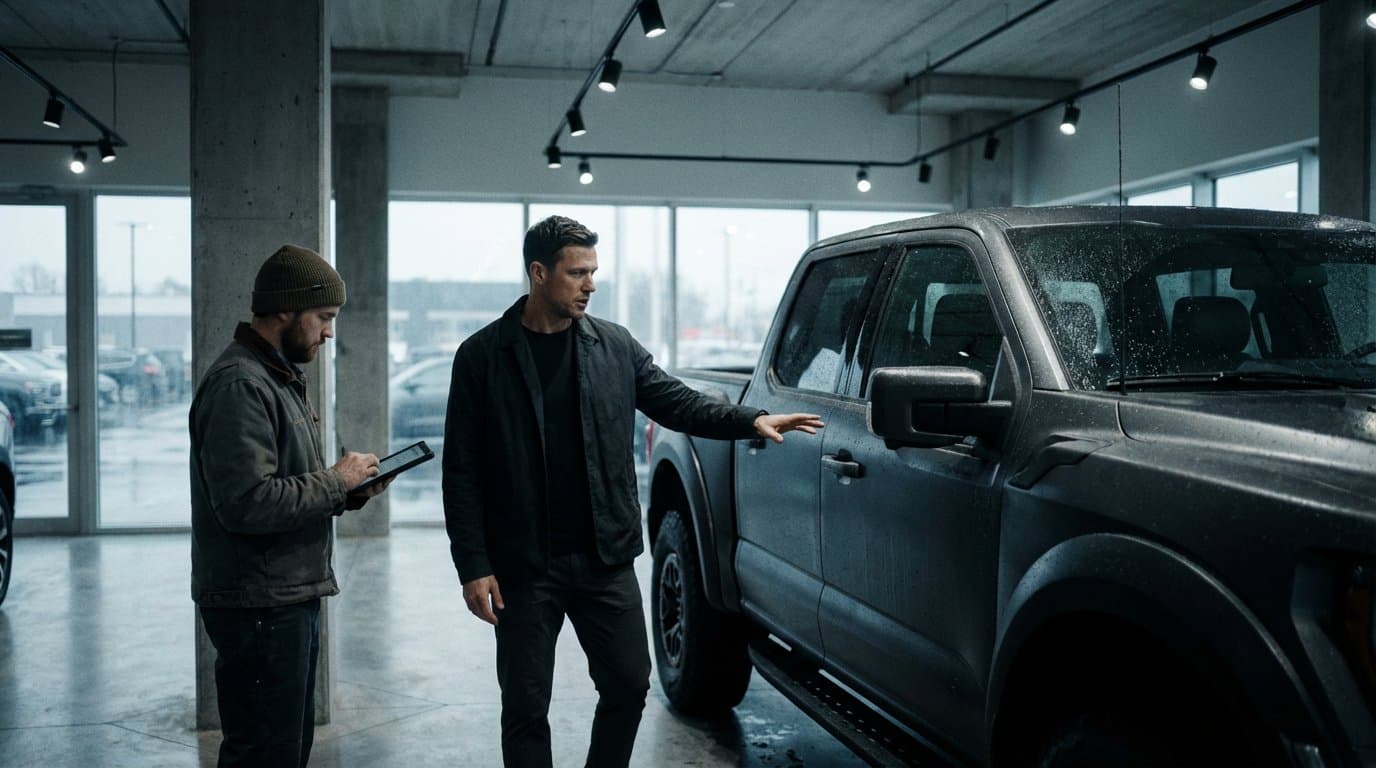
The test drive is still the moment the internet cannot replace. It is also where many salespeople go quiet or run the same route and the same features with every buyer.
Shape it around what you heard. If the third row is the reason, have them climb into it, fold it, and picture the car seats. If they commute on the highway, get on the highway. If they were nervous about visibility or parking, find a tight spot and let them try it. If a spouse or kid is along, involve them.
Then ask what they noticed. "How did that feel compared to what you're driving now?" A buyer who describes the experience in their own words is far closer to a decision than one who was given a tour.
The part of the car sale buyers dread most is the money: the trade-in, the payment, the financing, the add-ons. Much of that dread comes from the feeling that the numbers keep moving and that the real price is hidden somewhere in the process.
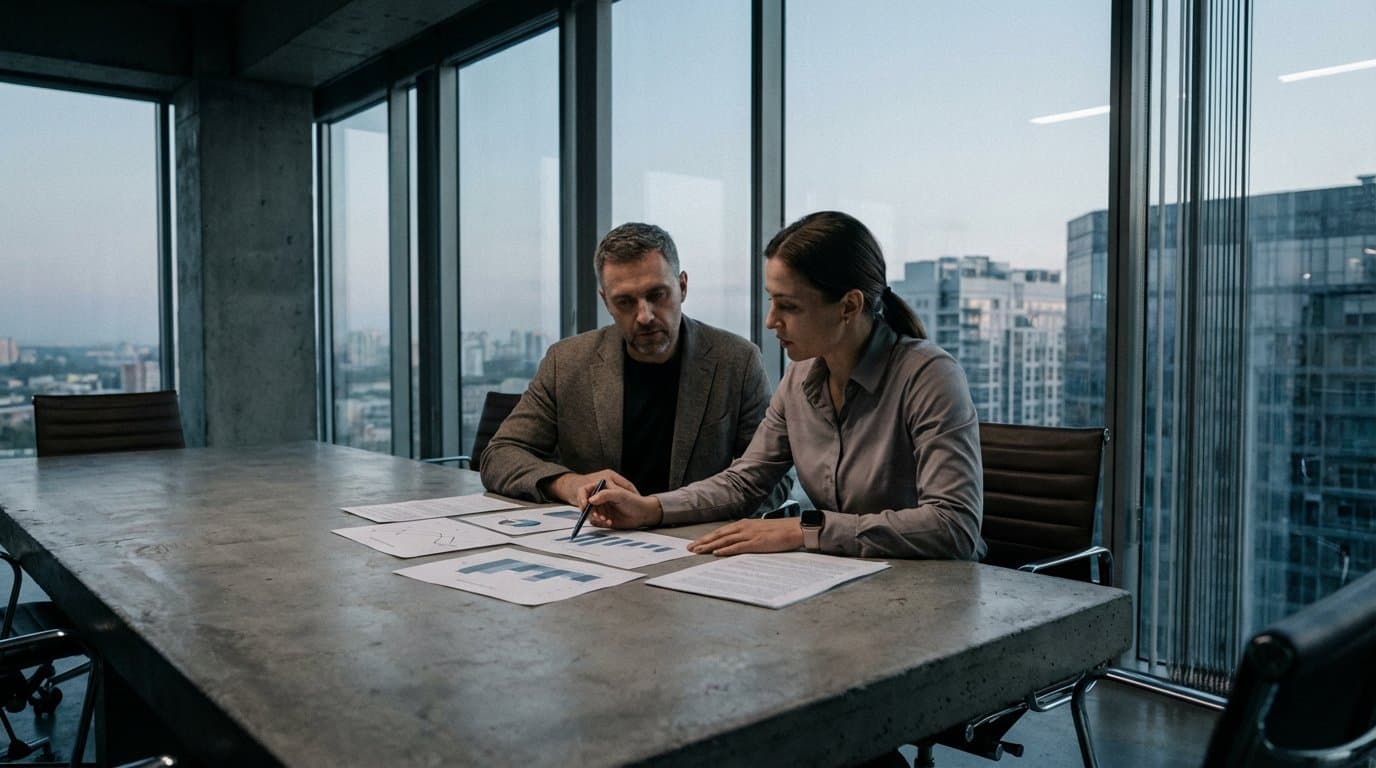
Salespeople who sell well to informed buyers make the money conversation linear and visible. Discuss the price of the vehicle. Discuss the trade-in value and how it was arrived at. Discuss financing terms, with the total cost and not just the monthly payment. Discuss any add-ons as genuine choices, with what each one does and does not do.
If the buyer brings a number from online, take it seriously. Ask where it came from, compare like with like, and explain any difference plainly. Even when you cannot match it, a clear explanation earns more trust than a vague one. Buyers do not need every number to go their way. They need to understand every number.
"I'm just looking." Usually true, and usually a request not to be pushed. Respect it. Offer to answer questions, ask what they have been considering, and stay useful without hovering. Many buyers who are just looking today come back to the salesperson who made looking easy.
"I saw it cheaper somewhere else." Ask to see it. Compare the vehicle, trim, mileage, fees, and what is included, line by line. Sometimes the other offer really is better, and saying so builds credibility you can use on the next vehicle. Often the difference is in the details, and walking through it calmly is more persuasive than any counteroffer.
Many car sales are not made in a single visit. The buyer leaves to compare, to talk to a partner, to sleep on it. What happens next decides a lot of deals.
A good follow-up is specific to the conversation. Not "just checking in," but "you mentioned the third row was tighter than you expected. We have the extended version coming in Thursday if you want to compare." That message proves you listened and gives the buyer a reason to come back.
Keep track of what each buyer said, what they are deciding, and what the next step is. That is the difference between a lot full of maybes and a pipeline.
Dealership managers already watch the numbers: ups, demos, write-ups, closes. What those numbers do not show is what happened inside the conversations. Why did a buyer who took a test drive leave without talking numbers? Why does one salesperson turn more demos into deals than another on the same lot?
The answers usually live in a handful of habits: whether the salesperson asks what the buyer has already decided, whether the test drive is built around the buyer's reasons, whether the money conversation is straight, and whether every visit ends with a specific next step. Coach those one at a time, from real conversations, and the floor gets better without anyone needing more pressure.
That is the loop Parlay runs. Salespeople capture their conversations on their phone or the Parlay Chip wearable, and every pitch gets scored. Each one gets their next move, their number, and their Double Down, the one habit that would get them paid on more of the pitches they already give. Parlay is an OAM, an Opportunity Acceleration Machine. It works beside your CRM: the CRM tracks deals for the dealership, while Parlay helps each salesperson move theirs. Managers see every salesperson scored, on a scoreboard rather than surveillance.
The buyer starts the sale before the test drive. Make sure your team is ready for where they begin. If you sell cars, start free with five hours on your own conversations, no card needed. If you run a sales floor, book a demo.